IMSAS · RO OVERSIGHT · REGISTRY STRATEGY
Flag State & Registry Advisory
Advisory for maritime administrations and registries, from someone who has worked inside one. As Deputy Commissioner of Maritime Affairs for the Republic of the Marshall Islands, our founder ran flag operations for North Asia and carried responsibility for the administration's IMO oversight programme covering a recognized organization.
SolarisTech operates the ADOMS Busan Office, the Antigua & Barbuda flag State office for the Republic of Korea and Japan. The work on this page is advisory and non-statutory: it prepares and informs the administration's decisions. The administration takes them.
What's Included
- IMO Member State Audit Scheme (IMSAS) preparation and mock audit
- RO oversight programme design and performance monitoring frameworks
- Registry development: technical standards, inspection regimes, tonnage growth strategy
- Casualty investigation and Port State Control response capability building
- Training and mentoring for flag-State technical staff, drawing on SwiftAction Academy's 600 plus courses, mapped to our compiled 627-code Port State Control deficiency set
How We Engage
- 1
Assess the administration's current framework against the applicable IMO instruments.
- 2
Build the programme: procedures, oversight tools, audit evidence.
- 3
Support the administration through the audit or the rollout, on site or remote. We advise and prepare. The administration decides and acts.
Outcomes
This work is advisory and non-statutory throughout. We assess, design, prepare and train. Statutory authority stays with the administration, the corrective action plan is submitted by the administration in its own name, and every decision it contains is the administration's. Our reports are prepared for the party that instructs us and for the purpose stated in the engagement. Reliance by any other party requires our written agreement.
Questions we're asked
What is the IMO Member State Audit Scheme?
IMSAS is the IMO's mandatory audit of how a member state meets its obligations as a flag, port and coastal state, measured against the III Code. Every member state is audited on a recurring cycle, and findings require a corrective action plan. Preparation is the difference between an audit you manage and an audit that manages you.
What happens during the audit?
A pre-audit questionnaire, then an audit team working through documentation, interviews and evidence across the administration's flag, port and coastal state functions, closing with findings and an executive summary report. The audit examines whether your system works in practice, not whether a manual exists.
What is a corrective action plan?
The administration's formal response to audit findings: what will change, who owns it and by when. A credible plan is specific and evidenced. We build them alongside administrations so that the follow-up has closure evidence to look at rather than a restatement of intent. The plan is submitted by the administration in its own name.
What must a recognized organization oversight programme include?
A written agreement meeting the RO Code, a defined delegation scope, performance monitoring with evidence, audits of the RO's work on your fleet, and a feedback loop that actually changes things. Delegation transfers work, never responsibility: the flag remains accountable for everything its ROs do, which is also why our role here is to design and test the programme, not to exercise it.
How does a registry improve its port state control standing?
By managing the causes rather than the statistics: targeting inspection and audit effort at the fleet segments generating detentions, tightening RO oversight where findings cluster, and building follow-up capability for detained ships. Crew competence is usually part of it, and no single Port State Control MoU publishes a unified deficiency code list, so SwiftAction compiled one across the MoU regimes, 627 codes, and wrote training against it. Standing follows performance with a lag, which is why the work has to start before the list position matters.
Can you help a small registry grow?
Yes, and growth follows credibility: technical standards owners trust, inspection regimes that are predictable and professional, and responsiveness when something goes wrong. Our founder spent seven years inside a major registry at Deputy Commissioner level and saw which of those levers moved and which did not. What we provide is advice, programme design and training. Statutory authority stays with the administration throughout.
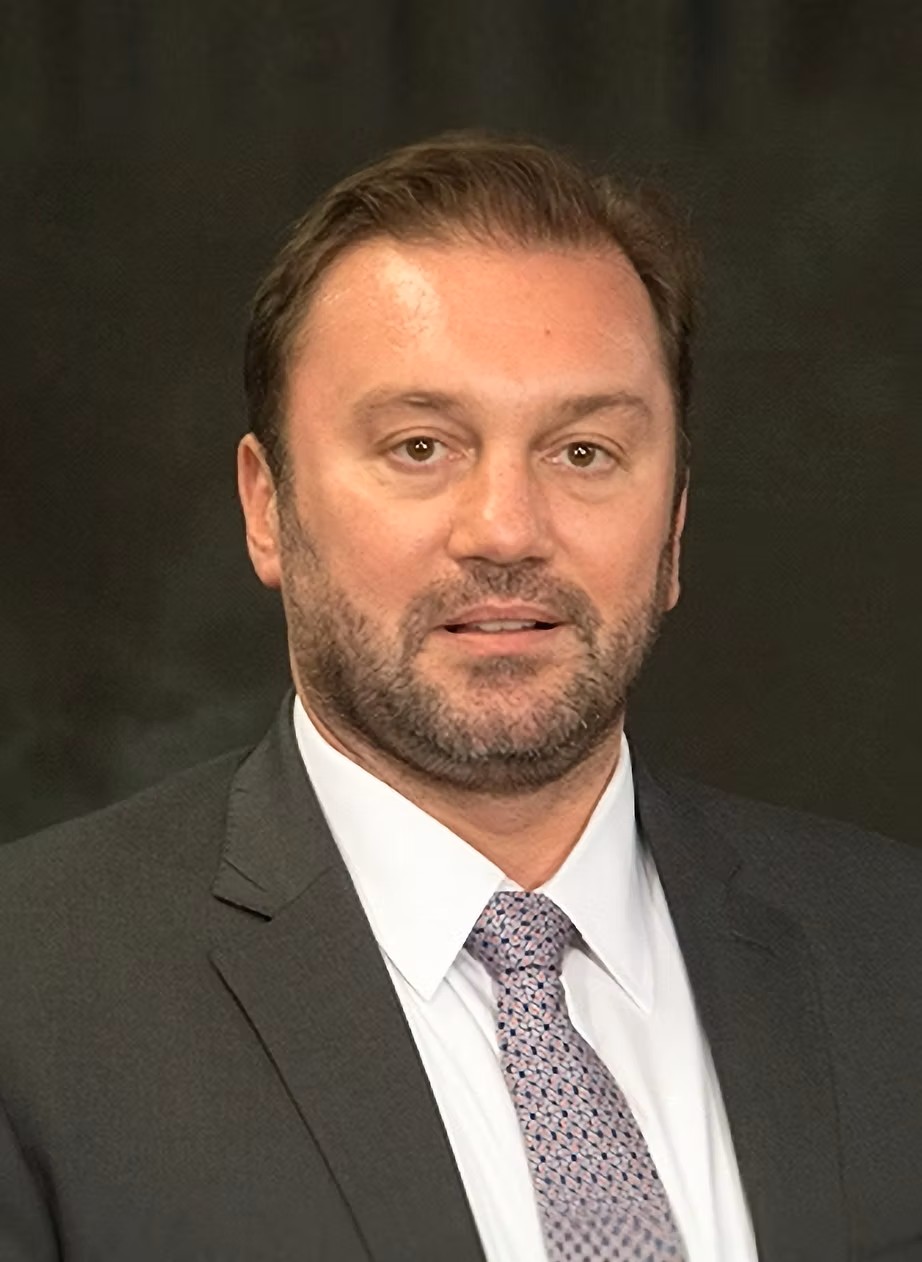
YOUR REVIEWER
Thomas Blenk
- Founder President & CEO, SolarisTech Inc.
- Deputy Registrar, Antigua & Barbuda Department of Marine Services and Merchant Shipping
- Former Corporate Vice President, Global Marine Sectors, American Bureau of Shipping
- Former Deputy Commissioner of Maritime Affairs, Republic of the Marshall Islands
Flag State representation
The ADOMS Busan Office is the Antigua & Barbuda flag State office for the Republic of Korea and Japan, with full flag State authority. Thomas Blenk is Deputy Registrar. The office operates in partnership with the Government of Antigua & Barbuda and the Antigua & Barbuda Department of Marine Services and Merchant Shipping (ADOMS).
Advice from someone who has worked inside a flag State.
Administrations and registries: start with your next audit or your growth target.